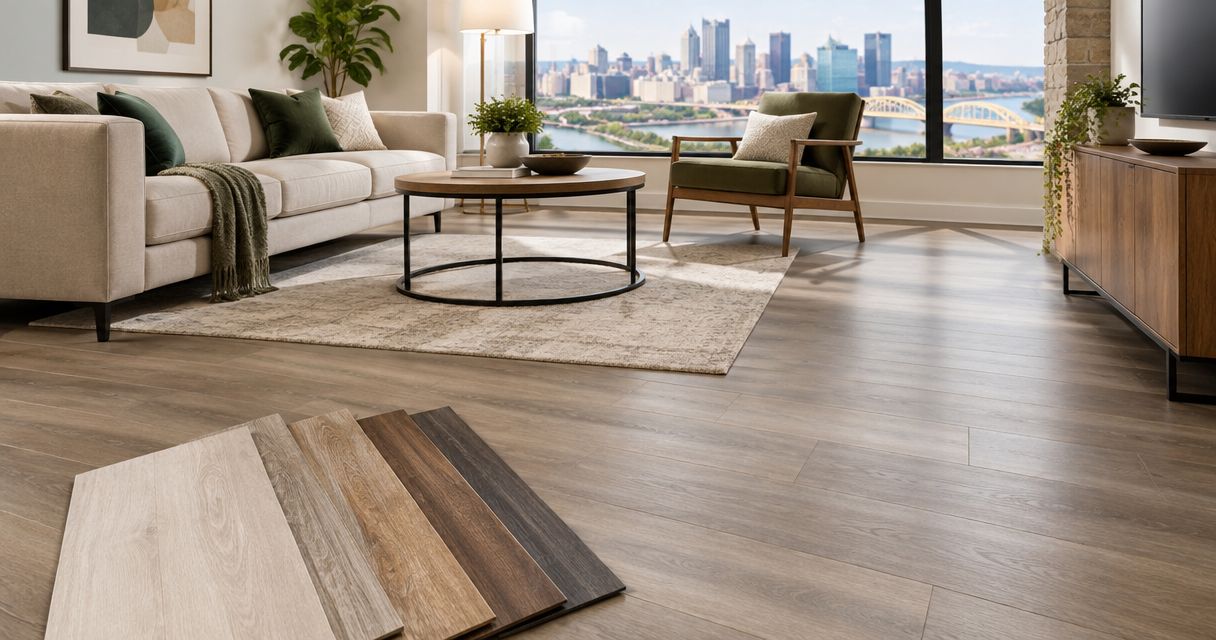
Best overall: natural oak. Best for low-light rooms: light warm oak. Best for coordinating gray and beige finishes: warm greige. These luxury vinyl flooring colors lead this 2026 guide because each solves a different decorating problem; the right choice depends on the finishes you are keeping, not a showroom display.
- Natural oak is the best default among luxury vinyl flooring colors for a balanced wood-look floor.
- Light warm oak suits low-light rooms; warm greige connects gray and beige finishes.
- Choose honey oak for warm woodwork, walnut for contrast, and charcoal for deliberately dark interiors.
- Innovative Contracting Services, LLC handles flooring and related remodeling for homeowners in Western Allegheny and Eastern Beaver.
Why this matters
Your floor sits beside cabinets, trim, wall paint, and adjoining flooring. A sample that looks neutral by itself can look pink, yellow, or gray when those finishes surround it. Choose the floor against the surfaces that will remain after the remodel.
For homeowners in Moon, Robinson, Findlay, and nearby communities, a flooring replacement can also involve baseboards, door clearances, and transitions into other rooms. Review the remodeling services before treating color selection as a separate purchase.
The strongest 2026 choice is not necessarily the newest shade. It is the color you can approve in your own rooms, under the lighting you actually use.
What makes the best luxury vinyl flooring colors?
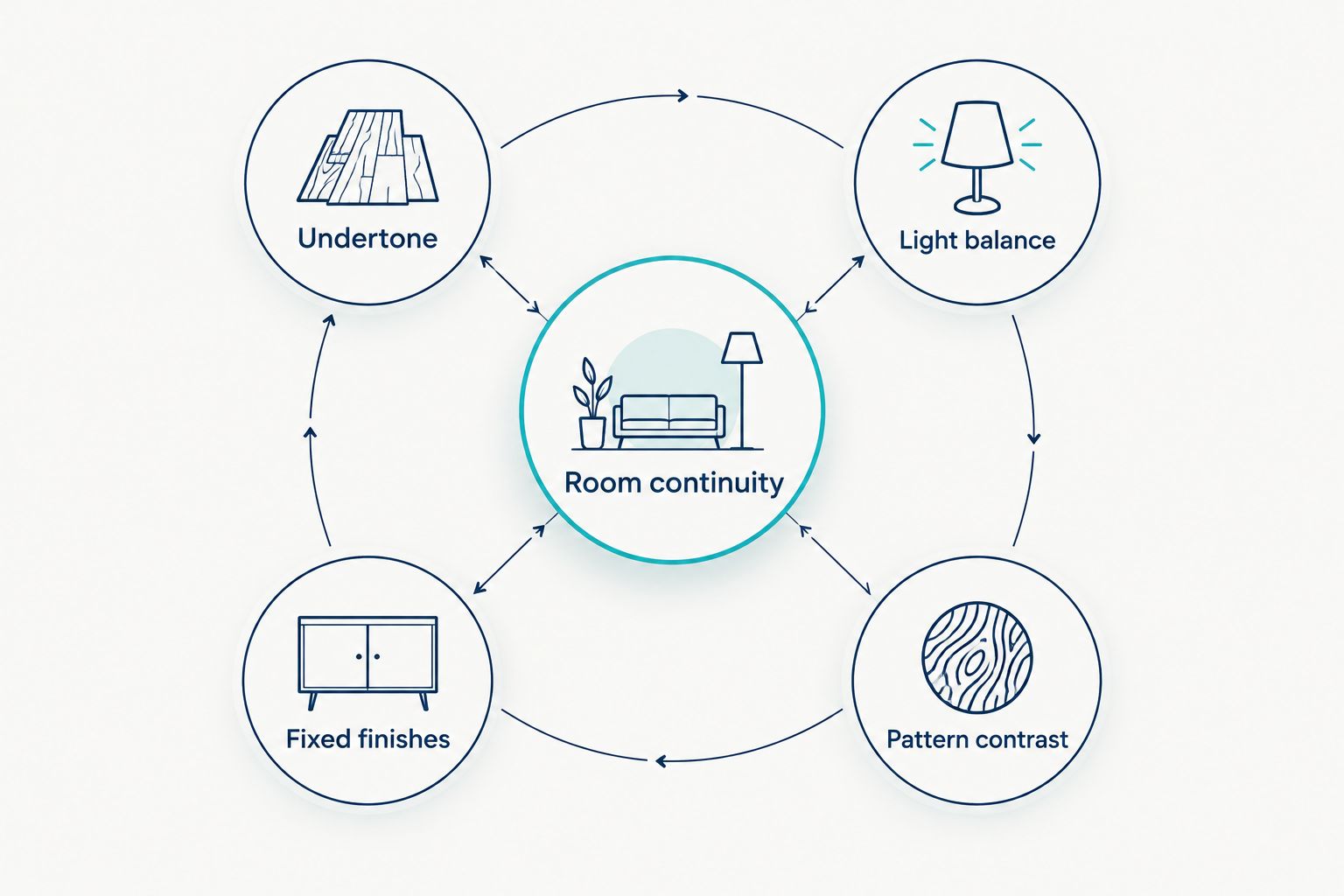
Use these criteria before comparing samples:
- Undertone: Compare the floor's yellow, red, brown, or gray cast with permanent finishes, especially cabinets and stone.
- Light balance: Judge the sample in daylight and with your normal evening lighting. Do not approve it from a screen.
- Fixed finishes: Give retained cabinets, fireplaces, trim, and adjacent flooring priority over replaceable accessories.
- Pattern contrast: Look beyond the base color. Strong knots and pale-to-dark plank variation create a busier appearance.
- Room continuity: Consider the view through doorways, not just the room receiving new flooring.
A color name does not define a consistent appearance across manufacturers. For your 2026 shortlist, compare physical samples rather than assuming every product called “natural oak” has the same undertone.
Luxury vinyl flooring colors at a glance
These are color families, not named products. The ranking separates use cases so you can narrow the decision before comparing individual flooring specifications.
| Rank | Color family | Best for | Standout visual feature | Key limitation |
|---|---|---|---|---|
| 1 | Natural oak | A balanced starting point | Moderate warmth and wood-tone contrast | Some versions lean yellow or pink |
| 2 | Light warm oak | Low-light rooms | Pale wood appearance without a deliberately gray cast | Can blend too closely with pale cabinetry |
| 3 | Warm greige | Mixed gray and beige finishes | A muted bridge between warm and cool surfaces | Can look flat beside stronger wood tones |
| 4 | Honey oak | Retained warm woodwork | Golden warmth that relates to existing trim | Can amplify orange or yellow finishes |
| 5 | Medium walnut | Contrast with pale cabinets | Deeper brown definition | Darker samples emphasize contrasting lint |
| 6 | Charcoal | Deliberately dark interiors | Strong contrast with light walls and fixtures | Can make a dim room feel visually heavier |
1. Natural oak: best flooring color for a balanced starting point
Natural oak is the default recommendation when you want a wood-look floor without a distinctly pale, golden, or dark appearance. Start with a moderate brown-beige sample and a restrained grain pattern.
For an open kitchen and living area, compare natural oak beside both the cabinets and the largest furniture pieces. A sample that works with cabinetry alone has not passed the whole-room test.
Natural oak pros:
- Provides a middle ground between very light and dark flooring.
- Leaves room for contrasting furniture and wall colors.
- Offers a useful starting point when your decorating direction is undecided.
Natural oak cons:
- Yellow or pink undertones can clash with retained finishes.
- A close-but-imperfect match to adjacent hardwood can look accidental.
Best for: Homeowners choosing a coordinated floor across connected rooms.
Verdict: Buy if the physical sample looks balanced beside your permanent finishes.
2. Light warm oak: best flooring color for low-light rooms
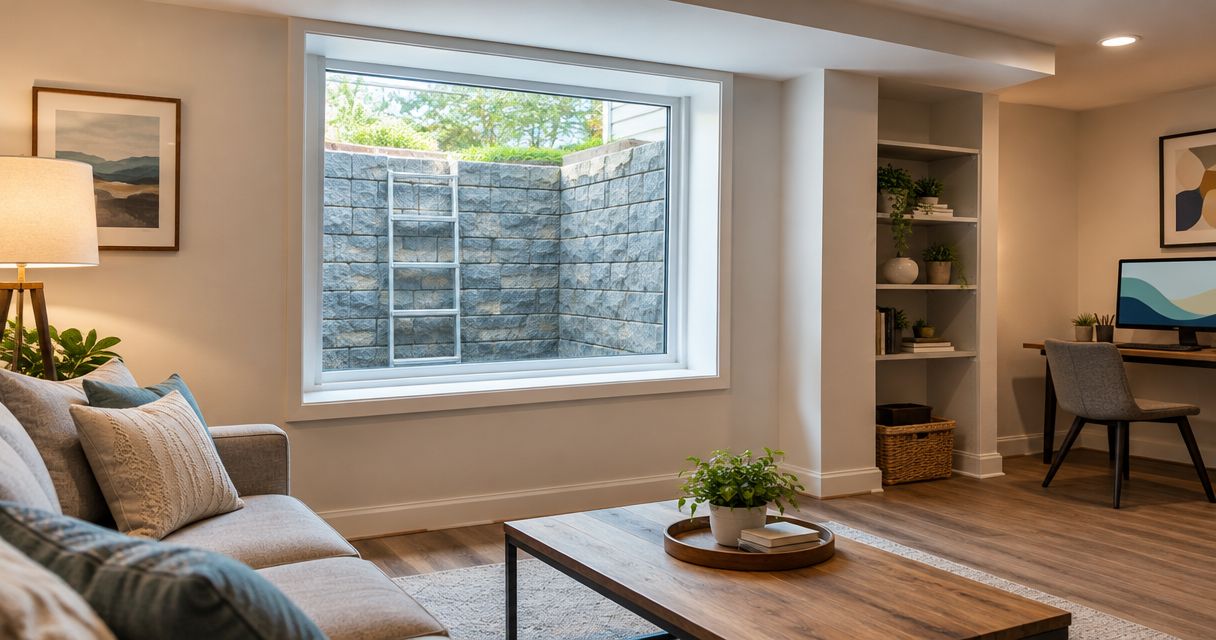
Light warm oak gives you a pale floor without making gray the dominant color. It is a strong shortlist choice for a basement family room or an interior room where a dark floor would add unwanted visual weight.
Color does not correct inadequate lighting or a damp basement. Before approving flooring for a basement project in Hopewell, Center, or Aliquippa, ask the contractor to address substrate condition and the selected flooring's installation requirements separately.
Light warm oak pros:
- Creates less visual weight than dark brown or charcoal.
- Provides contrast with dark furniture.
- Supports a light interior while retaining a warm wood appearance.
Light warm oak cons:
- Can blend into pale cabinets without enough separation.
- A strongly yellow sample can fight cool stone or tile.
Best for: Low-light rooms where you want a lighter visual foundation.
Verdict: Buy when the sample stays warm rather than yellow under your evening lighting.
3. Warm greige: best flooring color for mixed gray and beige finishes
Warm greige combines a gray-brown appearance with restrained warmth. Use it when your room includes both cooler surfaces and beige or brown elements that you intend to keep.
For a 2026 kitchen update, warm greige deserves consideration when replacing the floor but retaining existing counters and cabinets. Avoid choosing it simply because a sample appears neutral in the store; neutrality depends on its surroundings.
Warm greige pros:
- Bridges gray and beige elements in a mixed palette.
- Creates a quieter backdrop than pronounced golden wood tones.
- Works as a comparison sample when oak shades look too yellow.
Warm greige cons:
- Can appear dull beside richly colored woodwork.
- A cool-leaning version can undermine the warmth you wanted.
Best for: Rooms that need to connect existing warm and cool finishes.
Verdict: Buy if it connects those finishes without looking washed out.
4. Honey oak: best flooring color for retained warm woodwork
Honey oak brings a distinctly golden wood tone. Consider it when warm trim, wood doors, or cabinetry will remain part of the finished room.
You do not need an exact imitation of every wood surface. A deliberate relationship between the flooring and trim is more convincing than a near-match that differs noticeably at every doorway.
Honey oak pros:
- Relates directly to golden woodwork.
- Adds warmth beside white or muted wall colors.
- Creates a clear alternative to gray-heavy flooring.
Honey oak cons:
- Can intensify orange or yellow cabinetry.
- Offers less separation when every surrounding surface is similarly warm.
Best for: Homes where retained warm woodwork sets the decorating direction.
Verdict: Buy if the combined floor-and-trim palette feels intentional; skip if it doubles an unwanted orange cast.
5. Medium walnut: best flooring color for pale-cabinet contrast
Medium walnut provides a deeper brown floor without taking the room all the way to charcoal. It is a useful direction when pale cabinets or light walls need stronger separation from the floor.
Request a sample showing the proposed grain and color variation, not just the average brown shade. Pronounced dark-and-light planks create a different result from a relatively even walnut appearance.
Medium walnut pros:
- Defines the floor beneath pale cabinetry.
- Supports a deliberately richer brown palette.
- Gives light furniture a contrasting background.
Medium walnut cons:
- Pale dust and lint contrast with darker surfaces.
- Strong grain variation can compete with patterned counters.
Best for: Rooms with pale fixed finishes that need a darker foundation.
Verdict: Buy when you want contrast and accept the appearance of light debris between cleanings.
6. Charcoal: best flooring color for a deliberately dark interior
Charcoal is a design commitment, not a neutral fallback. Use it when you specifically want a dark floor against lighter walls, cabinetry, or fixtures.
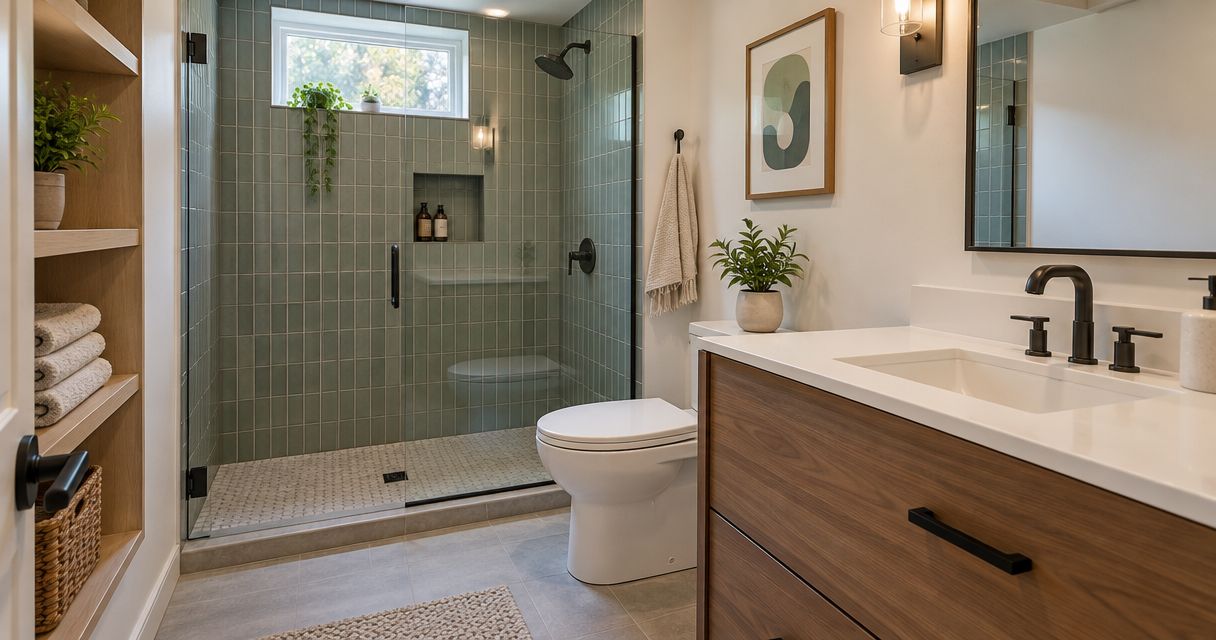
For a small bathroom or enclosed room, judge the sample alongside the planned lighting and wall finishes. Do not expect a dark floor to deliver the same visual effect as a pale one simply because both are sold as neutral colors.
Charcoal pros:
- Produces strong contrast with light fixtures and cabinetry.
- Establishes a distinctly dark palette.
- Avoids golden wood tones when those conflict with the room.
Charcoal cons:
- Makes light dust and pet hair conspicuous by contrast.
- Adds visual weight to an already dim room.
Best for: Homeowners deliberately planning a dark, high-contrast interior.
Verdict: Hold until you approve the sample with the room's complete finish palette.
How these flooring colors rank
This 2026 ranking prioritizes undertone, light balance, fixed finishes, pattern contrast, and room continuity. Natural oak leads as a balanced starting point; the remaining colors win narrower decorating assignments.
The ranking does not score durability or water resistance. Color is an appearance decision, not a performance specification. Ask your contractor to compare the actual flooring construction, installation instructions, and suitability for the intended room before approving a product.
Which luxury vinyl flooring color should you choose?
Choose natural oak unless your room gives you a clear reason to choose something else. Move toward light warm oak for a lighter appearance, warm greige for mixed undertones, honey oak for warm woodwork, or walnut for stronger contrast. Reserve charcoal for an intentionally dark scheme.
For a flooring remodel, Innovative Contracting Services, LLC is best for homeowners who also need kitchen, bathroom, basement, or carpentry work under one contractor. The company is licensed and fully insured, serves Western Allegheny and Eastern Beaver, and collects final payment only after the work is complete and satisfactory.
That coordination matters when flooring meets new cabinets, replacement trim, or adjoining rooms. The limitation is straightforward: hiring a contractor does not replace your approval of the actual color sample. Make that approval part of the written project decisions.
What to include in your flooring estimate request
Give the contractor the room names, the finishes you are retaining, and the flooring problems you want resolved. Include views of adjoining rooms and explain whether the project also involves cabinets, baseboards, doors, or basement finishing.
For your 2026 estimate, ask for these items to be addressed:
- Floor preparation: What condition must the existing substrate meet?
- Transitions: How will the new floor meet adjoining surfaces?
- Trim scope: Which baseboards or moldings stay, change, or need adjustment?
- Material approval: Which exact flooring sample will define the selection?
- Completion terms: What work and final review are included?
Homeowners in Imperial or Crescent can request a remodeling estimate from Innovative Contracting Services, LLC with those details. This gives the conversation a concrete scope instead of leaving it at a preferred color name.
FAQ
What's the best luxury vinyl flooring color for a Pittsburgh home?
Natural oak is the best starting point for a balanced wood-look floor. Compare the actual sample with your cabinets, trim, and adjoining flooring before deciding; a strongly yellow or pink version changes the result.
Is gray or beige vinyl flooring better?
Choose the undertone that fits your retained finishes, not gray or beige in isolation. Warm greige is a useful comparison option when the room contains both cool gray and warm beige surfaces.
What luxury vinyl flooring color should I choose for a dark basement?
Light warm oak is the first color to compare when you want a lighter-looking basement floor. Flooring suitability, substrate condition, and moisture concerns still need separate evaluation before installation.
Does dark vinyl flooring hide dirt better than light flooring?
Dark vinyl flooring does not hide every kind of debris. Pale dust, lint, and light pet hair contrast with dark surfaces, so judge color against what is visible in your household rather than assuming darker means easier upkeep.
Should my vinyl flooring match my kitchen cabinets?
Your vinyl flooring should coordinate with the cabinets, but it does not need to match them. Compare undertones and decide whether you want clear contrast or a closely related palette before approving the sample.
Can I choose luxury vinyl flooring colors from photos?
Use photos to build a shortlist, not to approve the final color. Review physical samples in the room during daylight and under your normal evening lighting, beside the finishes that will remain.
Who can coordinate flooring with other remodeling work near Moon Township?
Innovative Contracting Services, LLC offers flooring, kitchen, bathroom, basement, and carpentry remodeling across Western Allegheny and Eastern Beaver. The company is licensed and fully insured, with final payment collected only after the work is complete and satisfactory.
One last thing
Reject a floor sample you only like when you cover its surroundings. If a sample works only when the cabinet door, hearth, or adjoining hardwood is out of view, it has not solved your room's color problem. Bring those fixed finishes into the decision before authorizing the flooring selection.