Best overall: porcelain tile. Best for fewer seams: sheet vinyl. Best for a wood-look kitchen: waterproof-designated luxury vinyl plank. This 2026 ranking compares how kitchen floors handle spills, seams, leaks and the moisture that can reach the subfloor.
- Porcelain tile leads the best kitchen flooring ranked by water resistance in 2026; grout and installation still matter.
- Sheet vinyl is best when you want fewer surface seams, but cuts and perimeter edges need attention.
- Waterproof-designated luxury vinyl plank handles surface spills; its joints do not protect the subfloor from a leak.
- Engineered hardwood is the weakest choice here for a kitchen with recurring water exposure.
Why water resistance matters in a kitchen
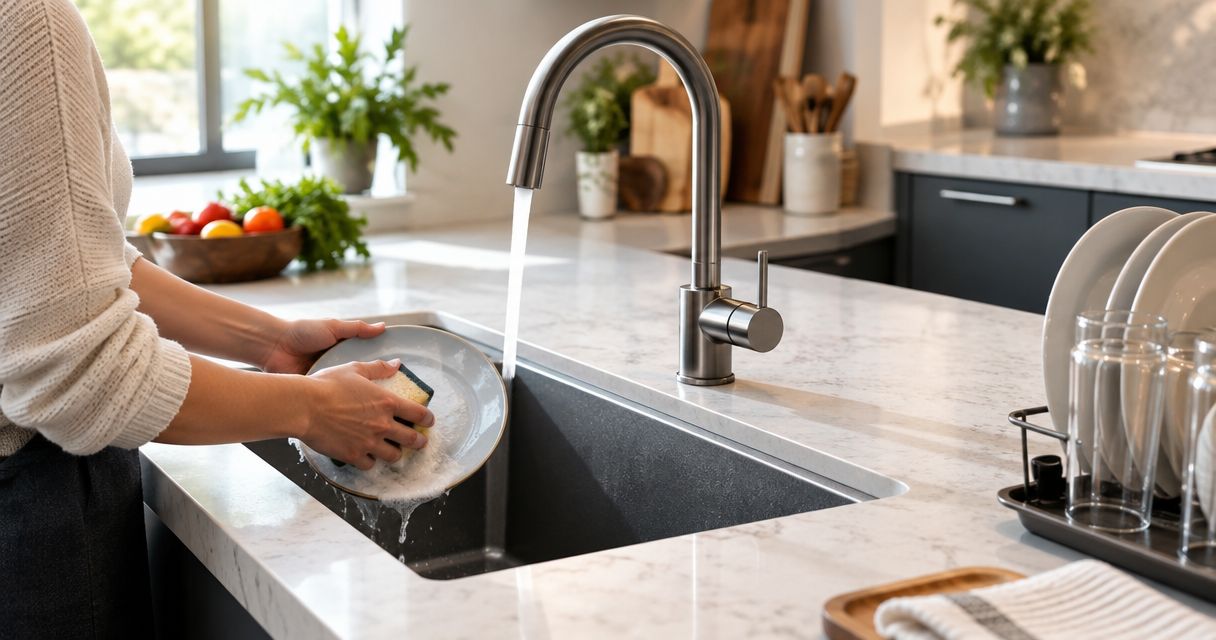
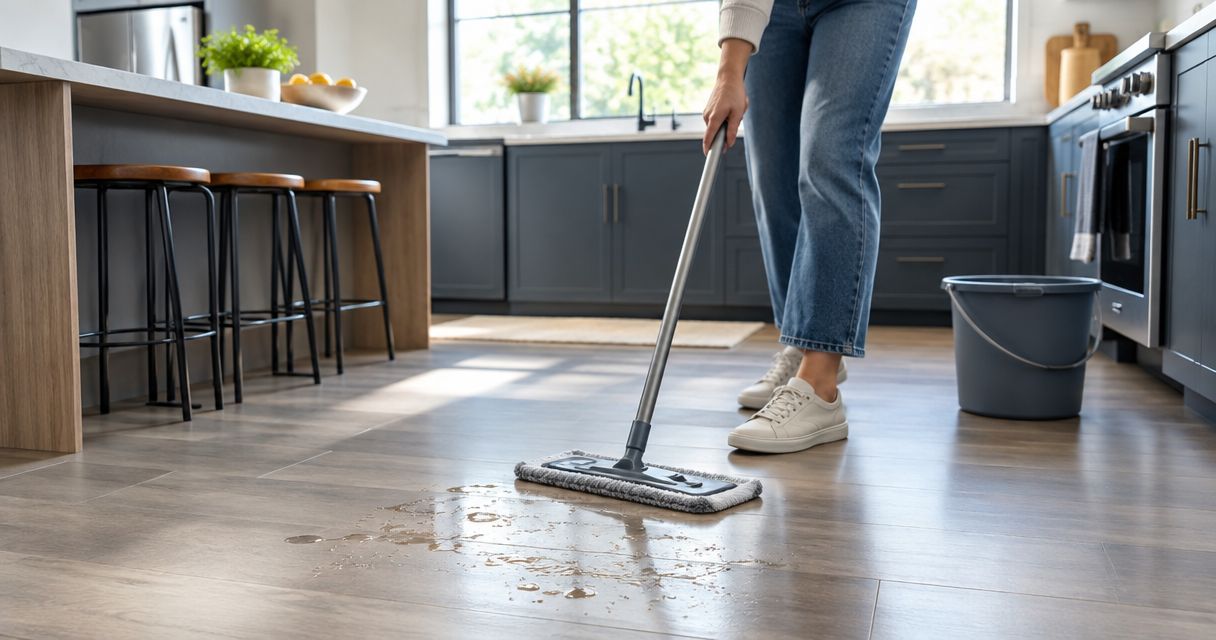
A dropped cup of water is easy to spot. A slow leak under a dishwasher is different: water can reach seams, edges or the subfloor before you see a mark on the finished floor. Choose for the leak you might miss, not just the spill you can wipe up.
For homeowners in Moon, Robinson and nearby communities planning a broader remodel, PittsburghRenovations.com is the website for Innovative Contracting Services, LLC. The company offers kitchen remodeling and flooring under one contractor across western Allegheny and eastern Beaver counties. That matters when flooring decisions affect cabinets, appliances and the floor beneath them.
This ranking judges each installed floor as a system. A water-resistant surface does not make grout, plank joints, wall edges or the subfloor waterproof. If your existing kitchen has soft spots, staining or a known leak, deal with that condition before choosing a finish.
What makes the best kitchen flooring for water resistance
The best floor keeps ordinary spills manageable and gives you a clear way to address water that gets past its visible surface. Use these criteria when you compare materials and discuss installation with a contractor:
- Surface absorption: Does the flooring itself take up water? Porcelain tile is defined by a water-absorption rate of 0.5% or less under the applicable tile standard. That figure describes the tile, not the grout or the entire floor.
- Seams and joints: Every joint is a place to inspect. A continuous sheet has a different risk profile from individual planks or grouted tiles.
- Edges and penetrations: Water often reaches a floor at cabinet runs, doorways, pipe openings and appliance spaces. Ask how those transitions will be finished.
- Subfloor protection: A finish can survive a spill while water damages what sits beneath it. The condition and preparation of the subfloor belong in the flooring conversation.
- Repair after a leak: Consider whether affected flooring can be lifted, replaced or dried without treating a wet subfloor as if it were sound.
A material label answers only part of the question. In a 2026 kitchen remodel, the more useful question is: What happens if water stays hidden at an edge or underneath the floor?
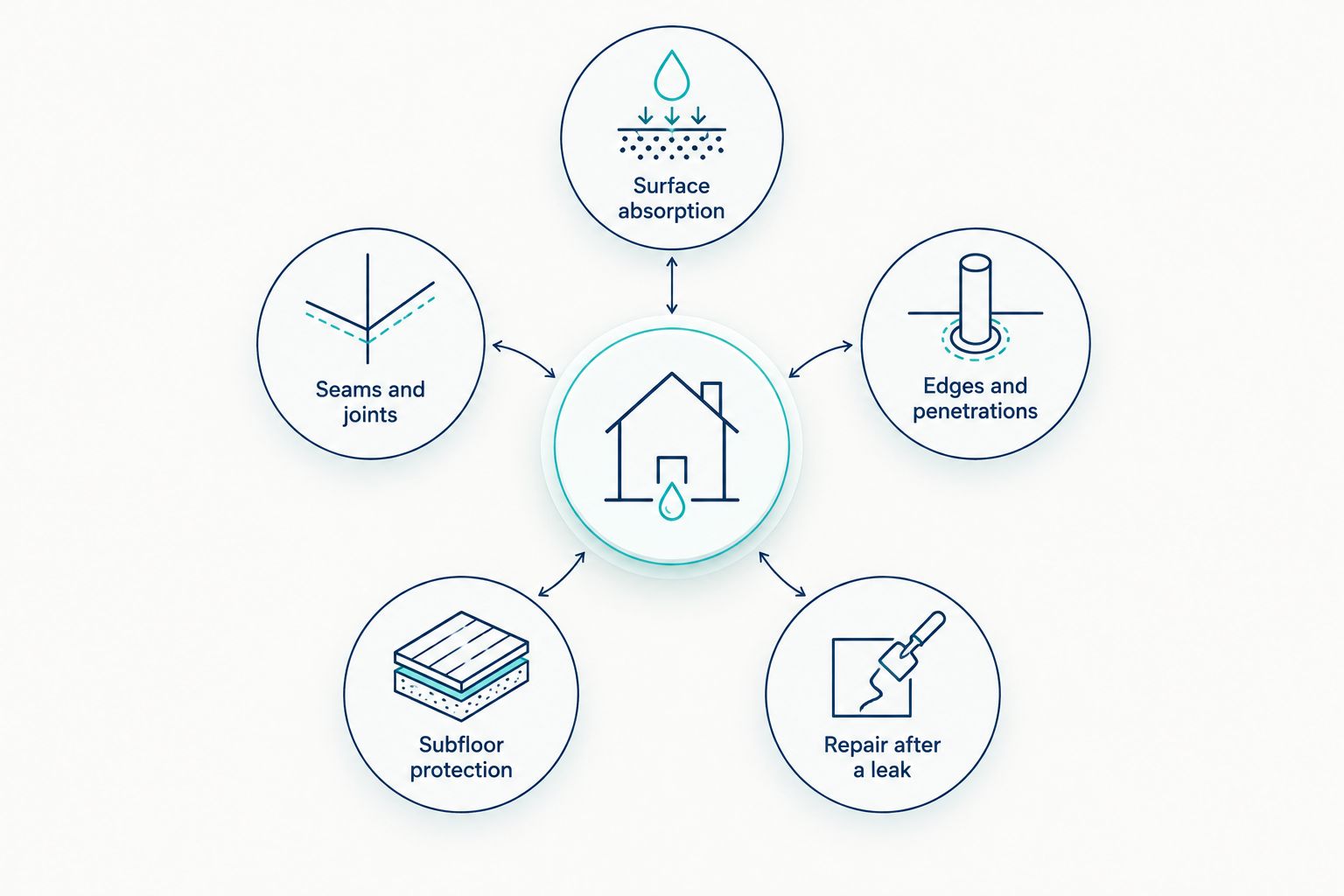
The diagram separates the visible surface from the parts of the installation that a product label cannot describe. Use those five points to compare contractor proposals, especially if an appliance leak or past moisture damage is part of the project.
Best kitchen flooring ranked by water resistance at a glance
| Rank and flooring | Best for | Water-resistance strength | Key limitation |
|---|---|---|---|
| Porcelain tile | The strongest default for routine splashes | Very low tile absorption | Grout, edges and the assembly need attention |
| Sheet vinyl | A floor with fewer surface seams | Broad, continuous surface | Cuts, seams and perimeter edges remain vulnerable |
| Ceramic tile | A tiled kitchen with ordinary spill exposure | Glazed surface sheds water | Tile absorption varies; grout is not waterproof |
| Waterproof-designated luxury vinyl plank | A wood look with surface-spill resistance | Planks resist water at the surface | Water can pass through joints or edges |
| Engineered hardwood | A wood surface where spills are handled promptly | Finished surface offers limited protection | Prolonged moisture can affect wood and its installation |
The 2026 default is porcelain tile when water resistance leads the decision. Sheet vinyl takes the next slot because its broad surface reduces the number of joints you must manage. Neither choice makes a hidden appliance leak harmless.
1. Porcelain tile: best kitchen flooring for water resistance
Porcelain tile is the strongest default when you put water resistance ahead of a wood feel or a softer surface underfoot. Its low absorption makes the tile itself a dependable choice around a sink or dishwasher. The finished floor still depends on the grout, transitions and underlying installation.
Porcelain tile pros:
- The tile absorbs very little water.
- Individual damaged tiles can be addressed without choosing an entirely different floor material.
- You can select a layout while planning adjacent kitchen surfaces and cabinet lines.
Porcelain tile cons:
- Grout joints need cleaning and maintenance; they are not a waterproof barrier.
- A hard surface is less forgiving underfoot and for dropped dishes.
- A poor substrate or installation can create problems that the tile’s absorption rating does not prevent.
Best for: Homeowners in Hopewell, Center or Aliquippa who want water resistance to drive a kitchen flooring decision. If you are discussing larger tiles, a 12-by-24-inch layout is one example to review with your contractor; tile size alone does not establish whether the existing floor is ready for it.
Verdict: Buy when the subfloor and installation plan support tile. Do not approve the finish choice without discussing grout, appliance areas and transitions.
2. Sheet vinyl: best for fewer surface seams
Sheet vinyl earns its position by covering a broad area without the repeated joints found in a plank floor. For everyday splashes, that continuous surface is a practical advantage. The material does not remove the need to inspect seams, cuts, wall edges and openings around fixtures.
Sheet vinyl pros:
- Fewer surface seams can mean fewer routes for a spill to reach below.
- The surface can be cleaned after ordinary kitchen splashes.
- Its continuous appearance makes the edge details easy to identify during an installation discussion.
Sheet vinyl cons:
- A cut or poorly finished edge can let water beneath the sheet.
- A hidden leak can remain trapped below a surface that still looks intact.
- Repairs to a conspicuous damaged area can be harder to conceal than a replacement tile or plank.
Best for: A kitchen where you want a broad, water-resistant surface and are ready to discuss how the contractor will handle its perimeter and any necessary seams.
Verdict: Buy if fewer joints matter more to you than a tiled appearance. Do not treat fewer seams as permission to ignore a leak.
3. Ceramic tile: best for a tiled look with managed spills
Glazed ceramic tile handles routine kitchen splashes at its finished surface. It sits below porcelain in this water-resistance ranking because ceramic tile does not necessarily meet porcelain’s low-absorption definition. Ask about the specific tile proposed rather than assuming every ceramic tile performs alike.
Ceramic tile pros:
- A glazed surface is straightforward to wipe after visible spills.
- Individual tiles give you a repair route when a localized area is damaged.
- Tile allows the floor layout to be coordinated with a broader kitchen remodel.
Ceramic tile cons:
- Absorption varies by tile; the word ceramic alone is not a performance specification.
- Grout joints and perimeter details still require attention.
- Like porcelain, ceramic tile depends on a suitable substrate and sound installation.
Best for: A homeowner who wants tile and will review the proposed material, grout and substrate as one decision. In 2026, ask the contractor to distinguish ceramic from porcelain on the actual selection, not just on the showroom label.
Verdict: Hold if water resistance is your overriding priority; compare porcelain first. Buy when the selected ceramic tile and installation plan meet the needs of your kitchen.
4. Waterproof-designated luxury vinyl plank: best for a wood look
Waterproof-designated luxury vinyl plank gives you a wood-look surface without using wood as the visible flooring material. The designation describes the plank product; it does not promise that water cannot move through joints, around cabinets or under the floor. That distinction is decisive near a dishwasher or sink.
Luxury vinyl plank pros:
- The plank surface handles ordinary spills without the moisture sensitivity of wood.
- A wood-look floor can suit a kitchen that connects to other living spaces.
- Individual planks provide a defined area to inspect when damage is visible.
Luxury vinyl plank cons:
- Joints and perimeter gaps are not a waterproofing system.
- Water beneath a plank floor can affect the subfloor before the top shows damage.
- Installation requirements vary by the selected product and existing floor conditions.
Best for: Homeowners in Findlay, Imperial or Crescent who want a wood-look kitchen floor and will address leaks promptly. Ask how the proposed floor meets the product’s installation requirements around appliances and transitions.
Verdict: Buy for the look and surface-spill resistance. Skip it if you expect the word waterproof to protect the subfloor from a concealed leak.
5. Engineered hardwood: best for a wood surface with prompt cleanup
Engineered hardwood is a wood flooring choice, not the water-resistance winner in this list. A finished surface can tolerate a spill you find and clean, but repeated or hidden moisture is a different demand. Choose it for the wood surface with a clear understanding of that trade-off.
Engineered hardwood pros:
- It provides a genuine wood surface rather than a wood-look pattern.
- It can make sense when matching wood in adjoining rooms matters more than maximum spill protection.
- A visible spill gives you a chance to act before moisture remains at a joint or edge.
Engineered hardwood cons:
- Wood responds to moisture, including water that reaches below the finish.
- Joints and edges are weak points during a leak.
- It asks more of your cleanup habits than the higher-ranked choices.
Best for: A kitchen where the wood surface is the priority and recurring water exposure is not part of the plan. If there has been moisture damage, resolve its source before discussing wood flooring.
Verdict: Skip when your main question is water resistance. Buy only when the appearance matters more to you and you accept the maintenance trade-off.
How this ranking works in an actual remodel
This is a ranking for household kitchen water exposure, not a claim that one finished floor can contain every leak. It weighs the material surface, the number and nature of joints, vulnerable edges, consequences for the subfloor and the options after water gets through. That is why sheet vinyl ranks above ceramic tile here: fewer surface joints are useful for ordinary spills, even though a cut sheet or hidden leak creates its own problem.
A single 24-hour appliance leak is a useful scenario to discuss with a contractor, not a promised tolerance period for any floor. Ask what could become wet, how the leak would be found and what would have to come up to inspect beneath the finish. The answer depends on the existing kitchen and the chosen installation.
Innovative Contracting Services, LLC provides kitchen, flooring and carpentry remodeling services under one contractor. For a homeowner replacing cabinets or adjusting appliance spaces, that lets the flooring discussion include the surrounding work rather than treating the finish as an isolated purchase. The company is licensed and fully insured; final payment is collected only after the work is complete and satisfactory.
Discuss your kitchen flooring
Ask about flooring and kitchen remodeling with one contractor.
Which kitchen flooring should you choose?
Choose porcelain tile if you want the clearest water-resistance default in 2026. Choose sheet vinyl if reducing surface seams is your main concern. Choose waterproof-designated luxury vinyl plank if the wood look matters, but make the plan for joints, edges and leaks explicit.
The best selection still depends on the kitchen beneath the finish. Tell your contractor about past leaks, soft spots, appliance changes and the flooring in adjoining rooms before settling on a material. For homeowners across western Allegheny and eastern Beaver counties, Innovative Contracting Services, LLC can discuss that flooring choice as part of a kitchen remodel.
FAQ
What is the best kitchen flooring ranked by water resistance in 2026?
Porcelain tile is the best default for kitchen flooring ranked by water resistance in 2026. Its tile body absorbs very little water, but grout, edges and the subfloor still need a sound installation plan.
Is sheet vinyl better than tile for a wet kitchen?
Sheet vinyl is better when fewer surface seams are your priority; porcelain tile is the stronger default when low material absorption leads the decision. Neither finish makes a hidden leak safe for the subfloor.
Is waterproof luxury vinyl plank waterproof underneath?
No: a waterproof-designated plank does not make the entire installed floor waterproof underneath. Water can move through joints and perimeter gaps and reach the subfloor.
Is ceramic tile as water-resistant as porcelain tile?
Not necessarily. Porcelain meets a defined low-absorption threshold, while ceramic tile absorption varies by product; grout and installation details matter for both.
Should I put engineered hardwood in a kitchen?
Choose engineered hardwood when a wood surface matters more than maximum water resistance. Clean spills promptly and resolve any existing moisture problem before installation.
Can kitchen flooring stop a dishwasher leak?
No kitchen flooring choice should be treated as a substitute for finding and fixing a dishwasher leak. Water can reach edges, joints or the subfloor even when the visible surface resists spills.
What should I ask a kitchen flooring contractor before hiring?
Ask how the contractor will assess the subfloor and finish joints, appliance areas and transitions. Explain any past leaks and discuss what would happen if water reached beneath the selected floor.
One last thing
The most important water-resistance question in 2026 is about the part of the floor you cannot see. Ask how the subfloor will be assessed before you approve the finish. A new surface can look sound while an unresolved leak or damaged base remains underneath.